AI SpectrumAI Spectrum
AI SPECTRUM
TechnologyHealthcarePolicyLeadershipResearchIndustry
Events
Events

Reliance Unveils AI Assistant for Calls, Apps and Homes as Ambani Pushes India AI Vision

Reliance Industries unveiled a suite of AI-powered services across phone calls, mobile apps and connected homes, deepening its push into artificial intelligence. The announcements come as Mukesh Ambani seeks to position India as a creator of AI technology rather than just a consumer.

By Paras Mahajan

June 21, 2026•Updated June 22, 2026•3 min read
Editorial Policy•Corrections Policy
Reliance Unveils AI Assistant for Calls, Apps and Homes as Ambani Pushes India AI Vision

Quick Answers

What changed

Reliance Industries unveiled a suite of AI-powered services across phone calls, mobile apps and connected homes, deepening its push into artificial intelligence. The announcements come as Mukesh Ambani seeks to position.

Why it matters

This update matters for teams tracking technology strategy, product decisions, and competitive positioning. Use this to assess near-term execution risk and opportunity.

Key numbers

  • Unlike standalone AI applications, the service will be integrated directly into Jio's telecom network, giving Reliance access to a distribution base of more than 500 million subscribers.
  • Reliance said the services are designed to support 22 Indian languages and address local use cases.
  • For Reliance, the push carries added importance as it searches for new growth engines ahead of Jio's planned public listing and amid pressure on its share price, which has fallen about 17% this year.

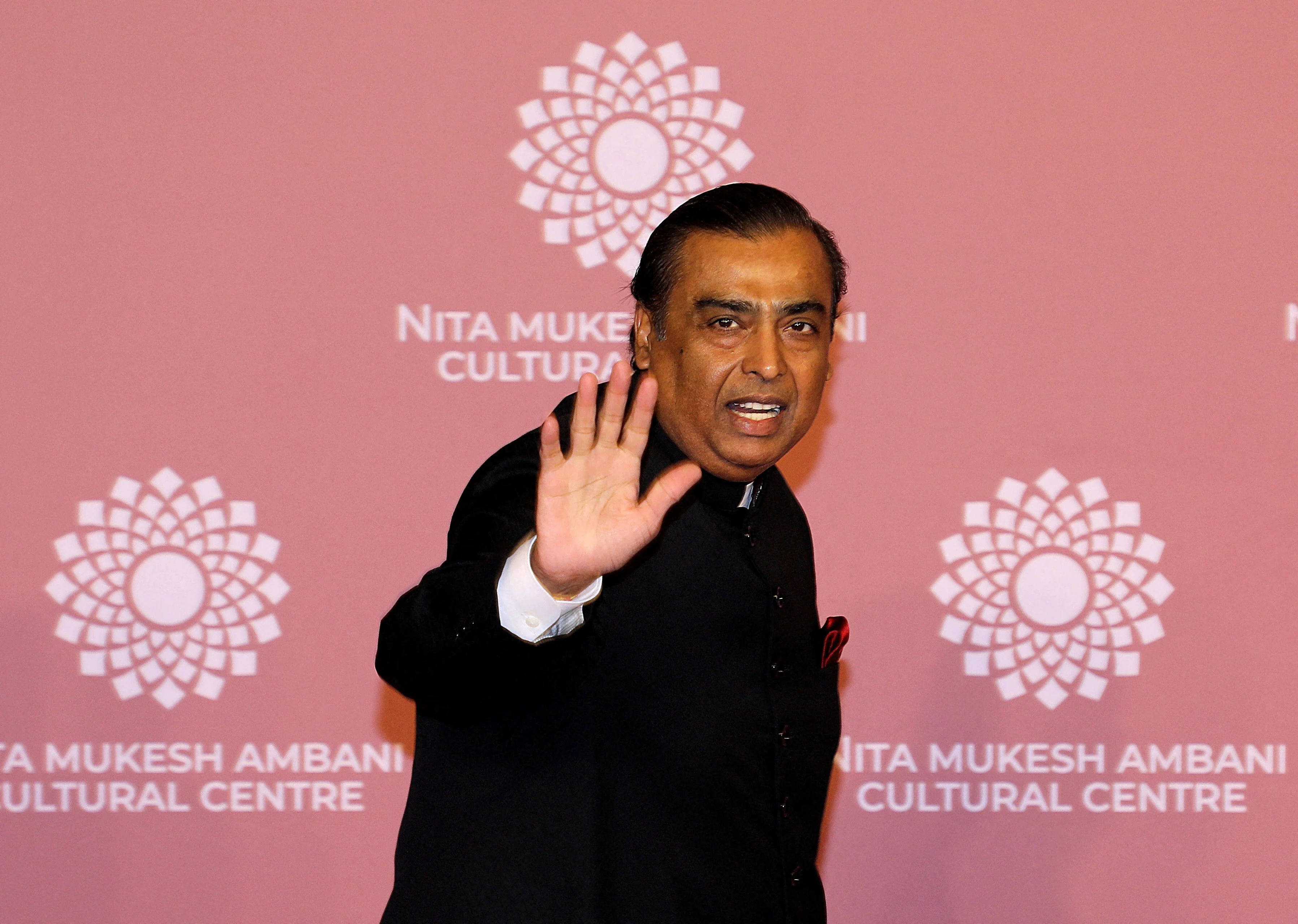
Reliance Industries on Friday introduced a range of artificial intelligence services across its telecom, digital and consumer businesses, as billionaire chairman Mukesh Ambani intensified efforts to make the conglomerate a major player in India's emerging AI ecosystem.

At the company's annual general meeting, Reliance announced Jio Call Agent, an AI assistant that can join phone calls, transcribe conversations, generate summaries and complete tasks such as booking cabs, ordering food and making reservations. Users will be able to activate the service with the voice command "Hey Jio" when it launches later this year.

Unlike standalone AI applications, the service will be integrated directly into Jio's telecom network, giving Reliance access to a distribution base of more than 500 million subscribers.

The company also unveiled an AI-powered version of its MyJio app that allows users to complete tasks through natural language requests, including activating eSIMs and managing international roaming plans.

Reliance further introduced TeleFrame, a connected home display designed to deliver personalized recommendations, reminders, schedules and weather updates using AI agents.

The announcements represent the latest step in Reliance's broader AI strategy as India seeks to build domestic capabilities in a sector currently dominated by U.S. and Chinese technology companies.

"India should not be a mere consumer of AI created elsewhere. It must become a creator, adopter, and a global leader in AI," Ambani said during the meeting.

Reliance has expanded its AI ambitions through partnerships with Nvidia, Google and Meta, while investing heavily in infrastructure aimed at supporting AI development across consumer, enterprise and government applications.

The company also launched sector-specific AI products including JioHealthIQ for healthcare, JioLearnIQ for education, JioKrishiIQ for agriculture and AI Vyapar for small businesses. Reliance said the services are designed to support 22 Indian languages and address local use cases.

Alongside the AI announcements, Ambani revealed that Jio Platforms' board had approved a draft prospectus for an initial public offering, marking a significant step toward the long-awaited stock market listing of the telecom and digital services business.

The expansion into AI comes as Indian companies remain dependent on foreign AI models and cloud providers, prompting major conglomerates to invest in building domestic infrastructure and services. Reliance recently announced plans to collaborate with Meta on an AI data center project in Gujarat, further strengthening its AI ambitions.

Reliance faces growing competition from rivals including Tata Consultancy Services, Infosys and Adani Group, all of which have accelerated AI investments and partnerships with global technology companies.

For Reliance, the push carries added importance as it searches for new growth engines ahead of Jio's planned public listing and amid pressure on its share price, which has fallen about 17% this year.

Paras Mahajan

Author description is not available yet.

View profile

Related Articles

VPN Downloads Surge in India After Temporary Telegram Ban
technology

VPN Downloads Surge in India After Temporary Telegram Ban

VPN services saw a sharp increase in downloads and sign-ups across India after authorities temporarily restricted access to Telegram over concerns about exam-related fraud. The move pushed several VPN apps up app store rankings as users sought alternative ways to access the messaging platform.

2 min read
Kevin O'Leary Cuts Utah Data Center Project in Half After Public Backlash
technology

Kevin O'Leary Cuts Utah Data Center Project in Half After Public Backlash

O'Leary agreed to remove nearly 20,000 acres from his Project Stratos data center plan in Utah following pressure from residents and state officials.

1 min read
Google's Gemini Spark Is Impressive. But What's It Actually For?
technology

Google's Gemini Spark Is Impressive. But What's It Actually For?

Google's new Gemini agent knows things users never told it. The real question is whether 'productivity' AI solves any problem worth solving.

1 min read
Microsoft Build 2026: AI Everywhere, From Local Dev Hardware to Always-On Assistants
technology

Microsoft Build 2026: AI Everywhere, From Local Dev Hardware to Always-On Assistants

Microsoft's Build 2026 keynote packed in new Surface hardware, updated AI models, and a persistent personal assistant. Here's what matters.

1 min read