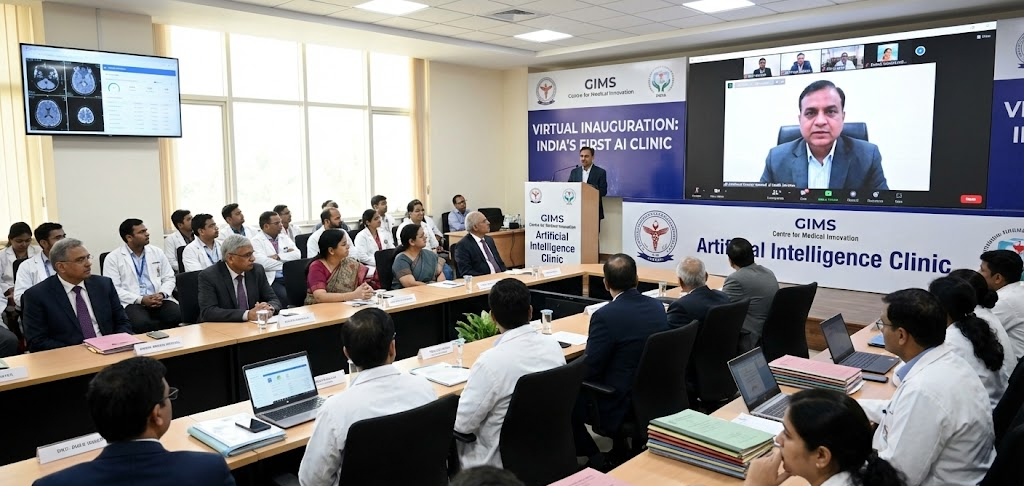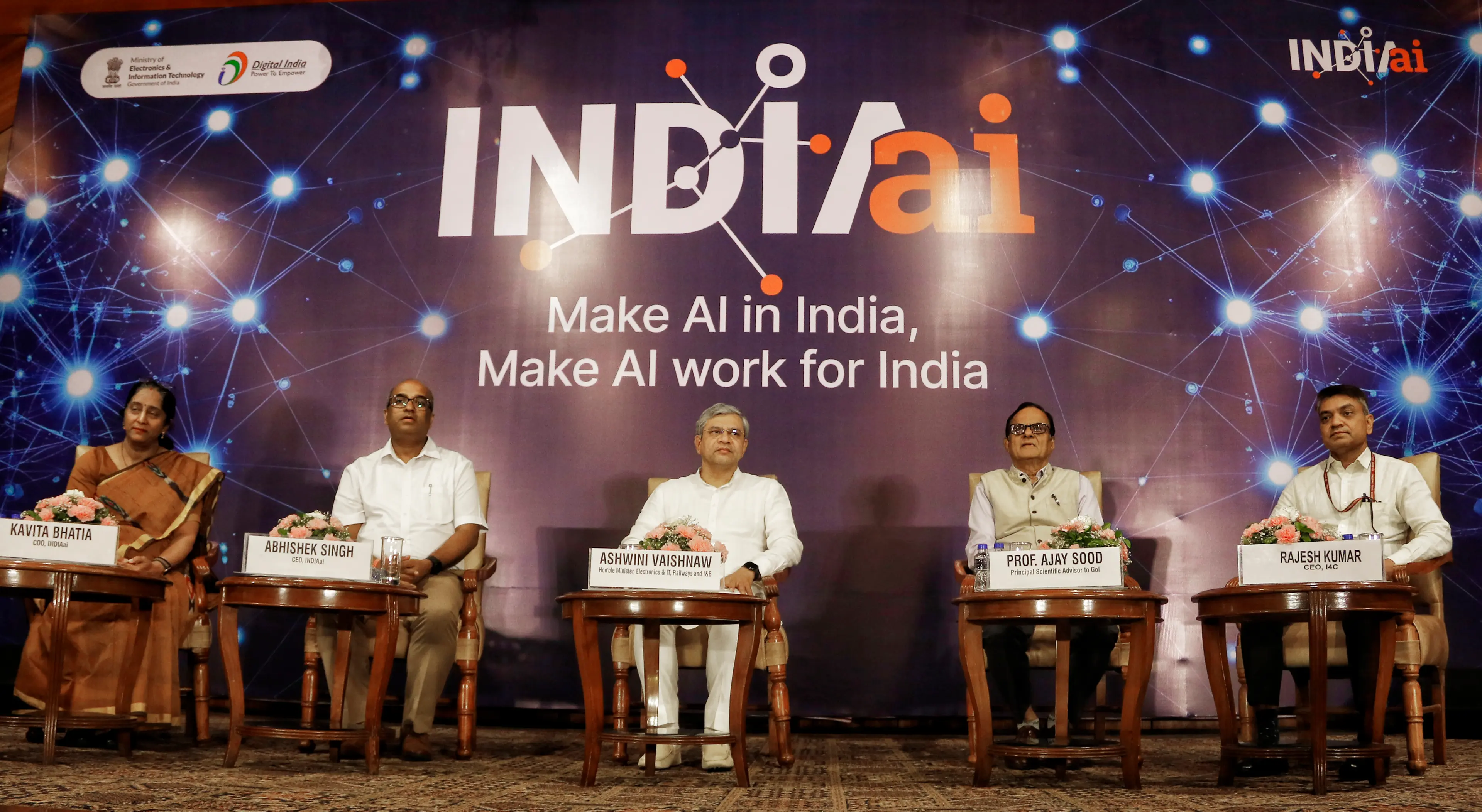
India is executing a major expansion of its artificial intelligence infrastructure. The government has committed over ₹10,300 crore to the IndiaAI Mission. This initiative aims to expand access to technology through affordable computing and domestic datasets.
A key component of the mission is the deployment of 38,000 GPUs. These high-end computing resources are available to researchers and startups at subsidized rates of ₹65 per hour. The Ministry of Electronics and Information Technology (MeitY) oversees the project. The mission focuses on seven pillars including compute access, application development, and responsible governance.
The country has already approved more than 30 AI applications in healthcare and agriculture. The national dataset platform, AIKosh, now hosts over 3,000 datasets to support developers. The technology sector in India is projected to generate $280 billion in revenue this year. Enterprise adoption is high. Eighty-seven percent of companies are actively using AI solutions.
Specific tools are driving inclusion. Bhashini, a multilingual platform, supports 22 Indian languages and has surpassed one million downloads. BharatGen, the first government-funded multimodal large language model, was also launched to support domestic innovation.
Workforce development remains a priority. The IndiaAI FutureSkills program supports over 13,500 scholars. The government plans to double the AI talent pool to 1.25 million professionals by 2027. This focus extends to informal workers as well. The NITI Aayog has outlined a vision to empower 490 million workers through the Digital ShramSetu Mission.
India will demonstrate these capabilities at the India AI Impact Summit 2026 in February. The event will feature 300 exhibitors from roughly 30 countries. Estimates suggest AI will contribute $1.7 trillion to the Indian economy by 2035.