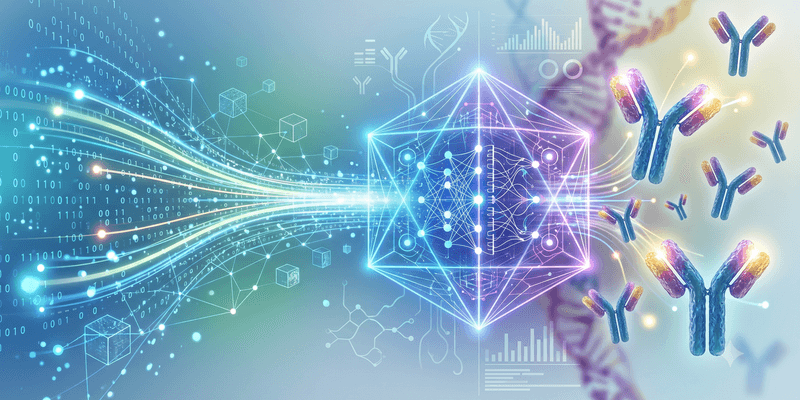
Liquid biopsies, which analyze fragments of tumor DNA circulating in a patient's blood, have long promised a less invasive path to cancer diagnosis. The catch has always been the data. The signals are faint, complex, and easy to misread without significant computational support. That is where AI is beginning to make a real difference.
Researchers and clinicians are now applying machine learning models to liquid biopsy results to identify mutation patterns, predict treatment response, and match patients to targeted therapies. The approach mirrors what genomic sequencing teams do in major cancer centers, but at a fraction of the cost and without requiring a tissue sample.
The practical upside is access. Patients in community hospitals or underserved regions who cannot easily reach specialized oncology centers could still receive data-driven treatment guidance through a routine blood draw and an AI-assisted analysis pipeline. Whether health systems can build the infrastructure to deliver on that promise remains the open question.