Diagnostics has long been the quiet engine of healthcare, informing the vast majority of clinical decisions yet rarely commanding the attention or investment that treatment does. That is starting to change, and artificial intelligence is the reason why.
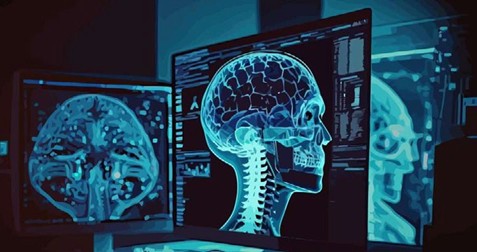
AI-powered diagnostic tools are now capable of detecting patterns in imaging, pathology, and lab data at a speed and scale no human clinician can match. Early-stage cancer, rare diseases, and chronic conditions that once slipped through the cracks are increasingly being flagged earlier, giving patients and physicians more options and more time.
Industry observers argue that diagnostics is not just a support function but the intelligence layer of the entire healthcare system. As AI matures, the gap between institutions that adopt these tools and those that do not will widen fast, turning diagnostic AI from a niche interest into a strategic necessity.