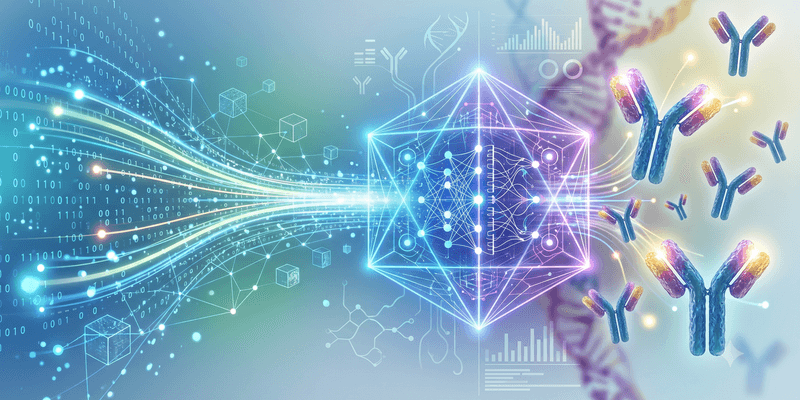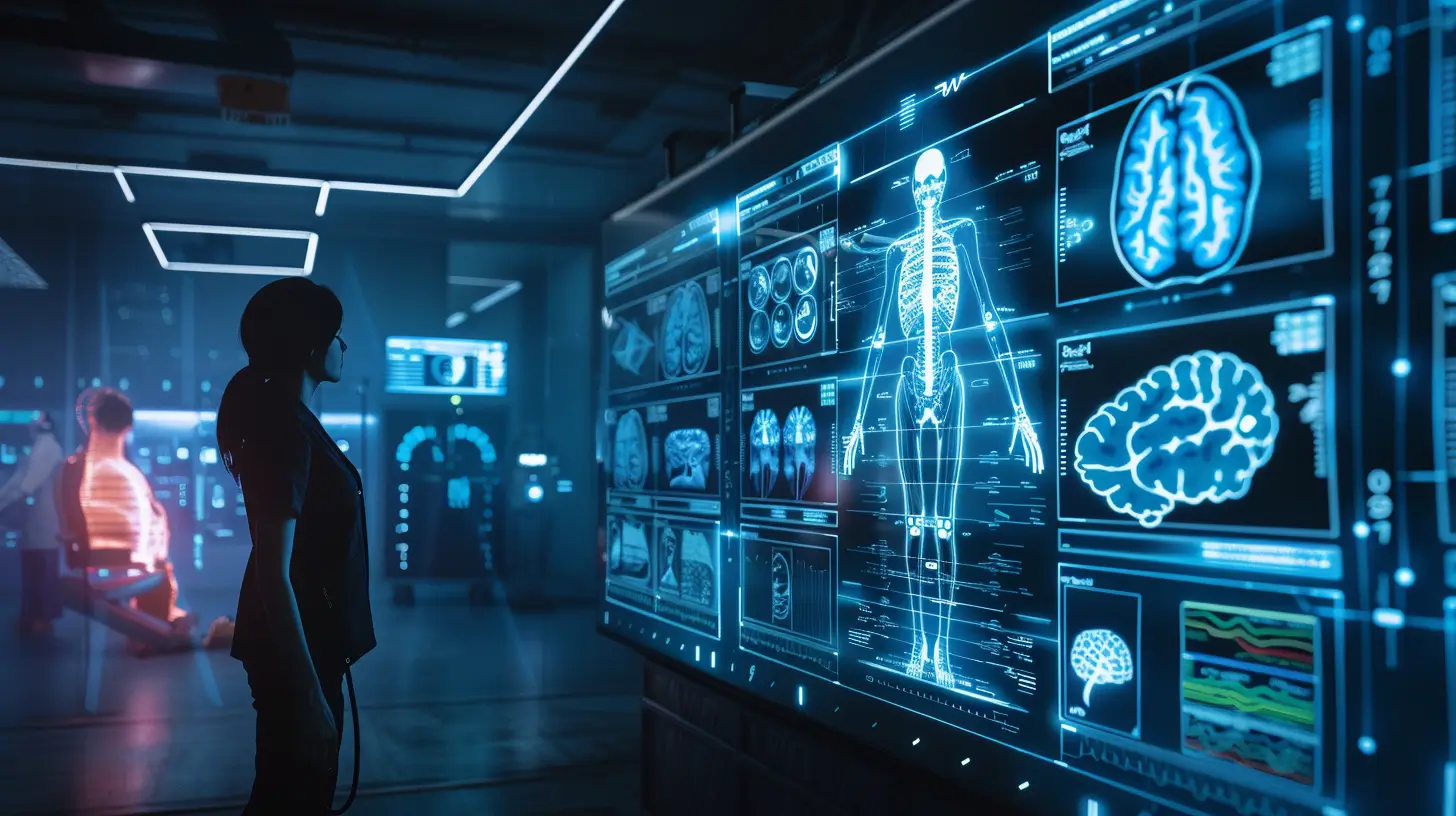
Diagnostics has long been the quiet workhorse of medicine, generating the data that drives nearly every clinical decision yet rarely commanding the spotlight. That is changing fast. Artificial intelligence is turning diagnostic tools into real-time intelligence systems capable of catching disease earlier, reducing misdiagnosis, and cutting the lag between test and treatment.
The implications stretch across the entire care continuum. AI-powered imaging analysis, pathology screening, and lab interpretation are already outperforming traditional methods in specific use cases. Startups and health systems alike are racing to integrate these capabilities, with investment in diagnostic AI climbing steadily as proof points multiply.
What was once considered back-office infrastructure is now front and center. As AI matures, diagnostics is positioning itself as the layer where clinical intelligence actually lives, and health leaders who have treated it as a commodity are being forced to reconsider that calculation.