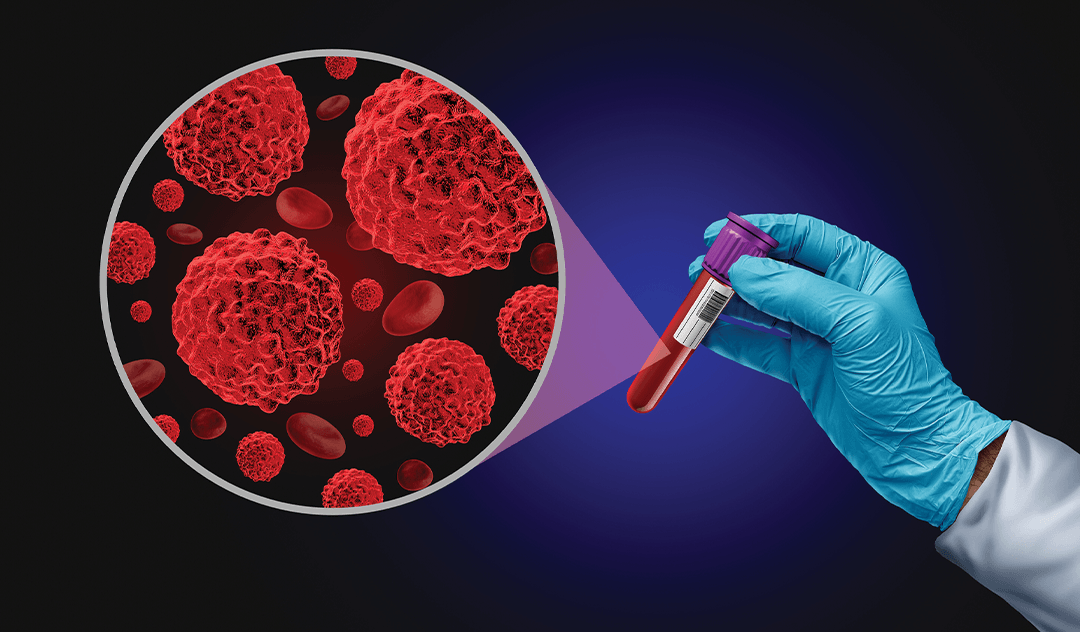
Precision oncology has long been limited to well-resourced hospitals with access to expensive tissue biopsies and specialist interpretation. A new wave of AI tools is changing that by analyzing liquid biopsies, simple blood draws that capture circulating tumor DNA, to identify cancer mutations with speed and accuracy that rivals traditional methods.
The appeal is practical. Blood biopsies are far less invasive than tissue sampling and can be processed more quickly. When paired with machine learning models trained on genomic data, clinicians at smaller or rural facilities can potentially access the same diagnostic depth once reserved for top-tier cancer centers.
Experts in the field say the real promise lies in democratizing oncology care, getting the right targeted therapies to patients who would otherwise fall through the cracks of the current system. The technology is still maturing, but early clinical applications suggest it could meaningfully close the gap in cancer care access.